Many medical device manufacturers ask themselves how to find the right healthcare professionals (HCPs) for user evaluations such as formative and summative usability tests.
Our recruitment within the usability engineering process according to IEC 62366-1 is tailored to user evaluations and user insights, aligned with your product and the regulatory requirements.
USE-Ing. brings the right healthcare professionals into your medical device development in a structured and MDR-compliant way.
The targeted recruitment of suitable healthcare professionals is a central prerequisite for successful usability studies for medical device manufacturers. Carried out professionally, it enables realistic use scenarios, valid study results and standards-compliant documentation, creating a reliable basis for development and approval.
Practical experience with relevant clinical workflows
Individual candidate screening
Standards-compliant documentation according to MDR, FDA, NMPA
Robust and unbiased usability test results
Representative healthcare professionals show where operation works in everyday clinical practice, and where risks, loss of time or unnecessary complexity arise.
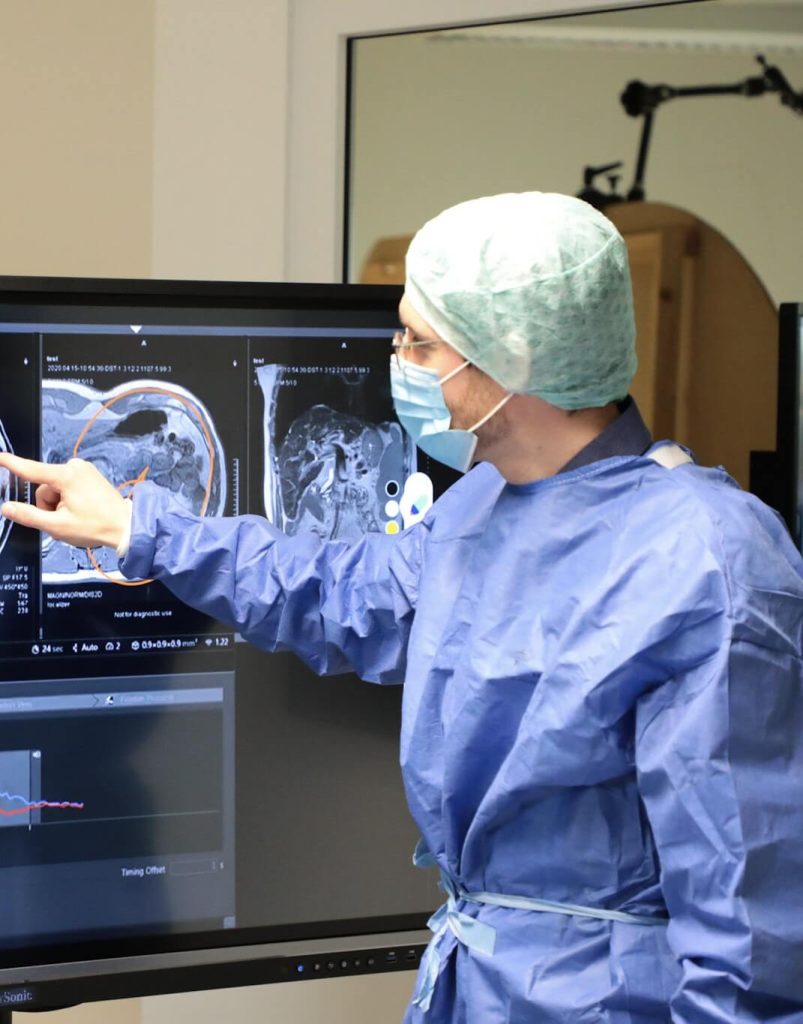
“In my view, taking real clinical workflows into account is decisive for developing innovative medical technology.”
Senior physician, radiology
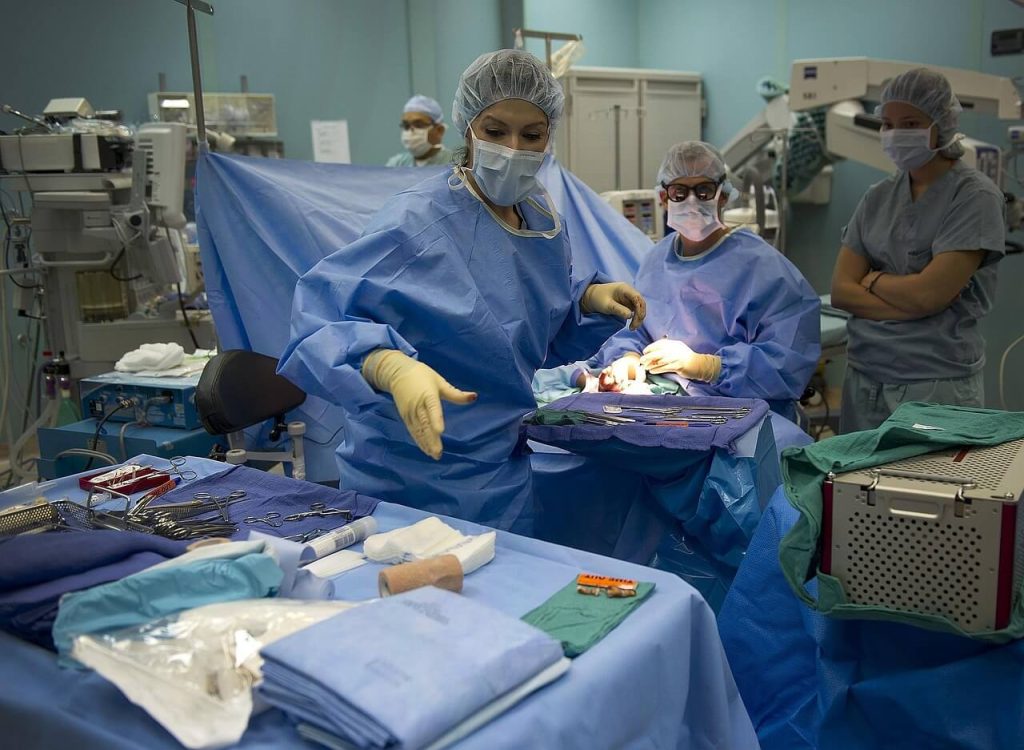
“I really enjoyed talking about my experiences from the OR and our collaboration on HF surgery.”
Surgical technologist (OTA)
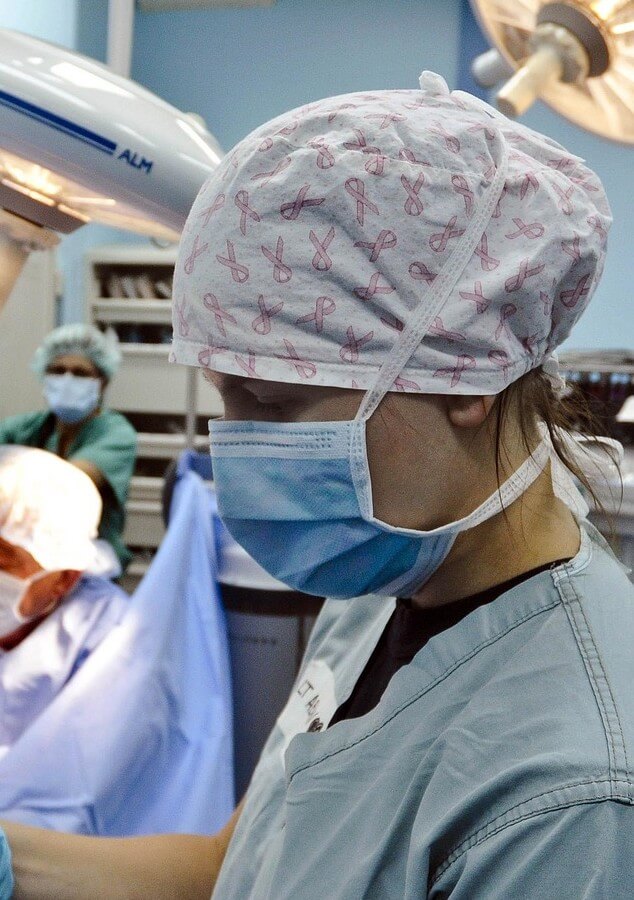
“In cardiac surgery, time criticality is extreme. If operation does not feel right, it costs seconds, and those can matter.”
Clinical perfusionist
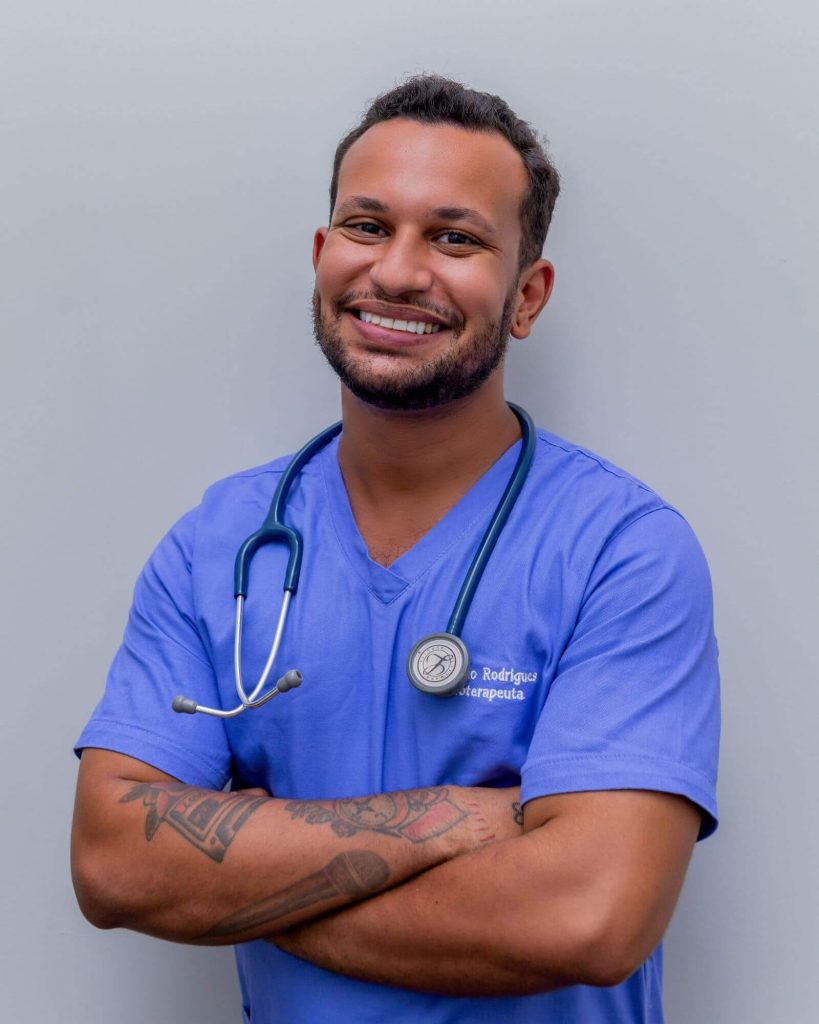
“For me, patient care starts with choosing the right medical devices. Being able to contribute my work experience here is great.”
Michael S.
“My practical expertise is taken seriously and ends up in the product.”
Specialist in cardiology
Whether in the usability engineering process (MDR, IEC 62366-1) or the human factors engineering process (FDA, Applying Human Factors and Usability Engineering to Medical Devices): we make sure that recruiting healthcare professionals for usability tests and other usability engineering activities involves real users in a targeted and traceable way.
This professional recruitment reduces your project risks and creates robust results and planning certainty.
Avoids unrealistic test scenarios and misinterpretations.
Fast access to suitable users, even for complex projects.
No generic panels, but targeted medical professional recruiting.
Safeguarding towards MDR, FDA and notified bodies.
Smooth execution, including for international setups.
Comparable results across countries and markets.
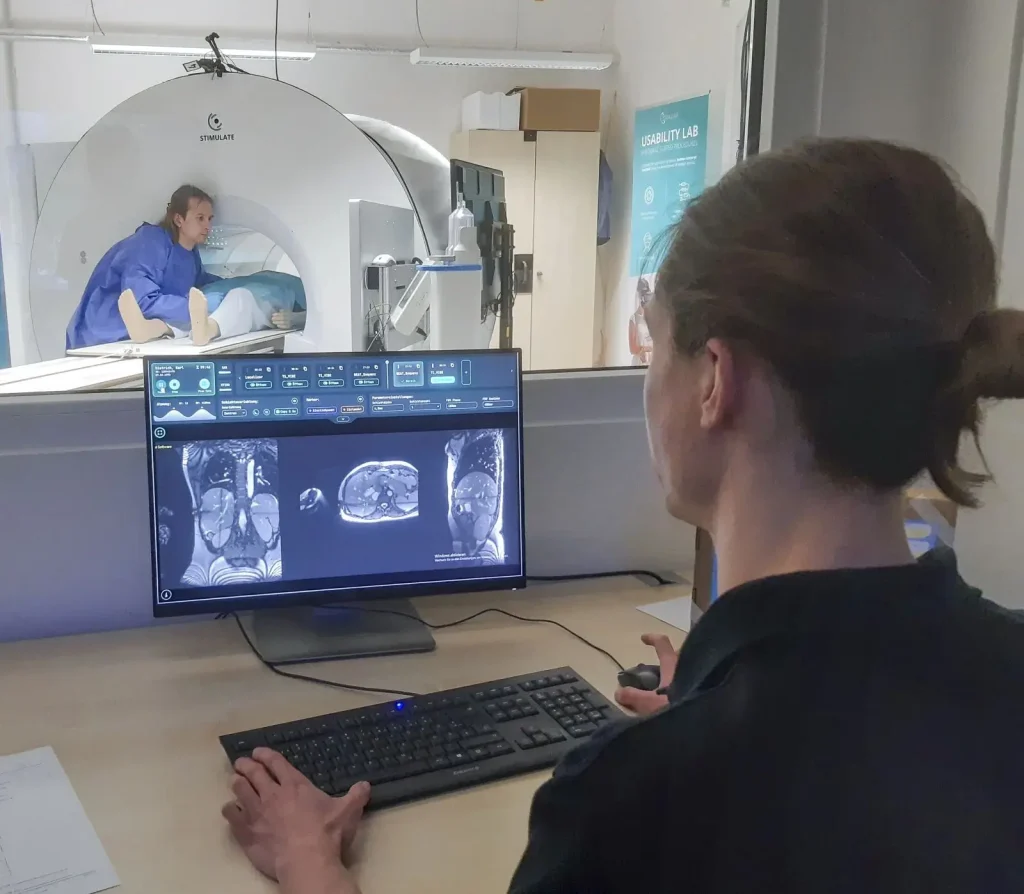
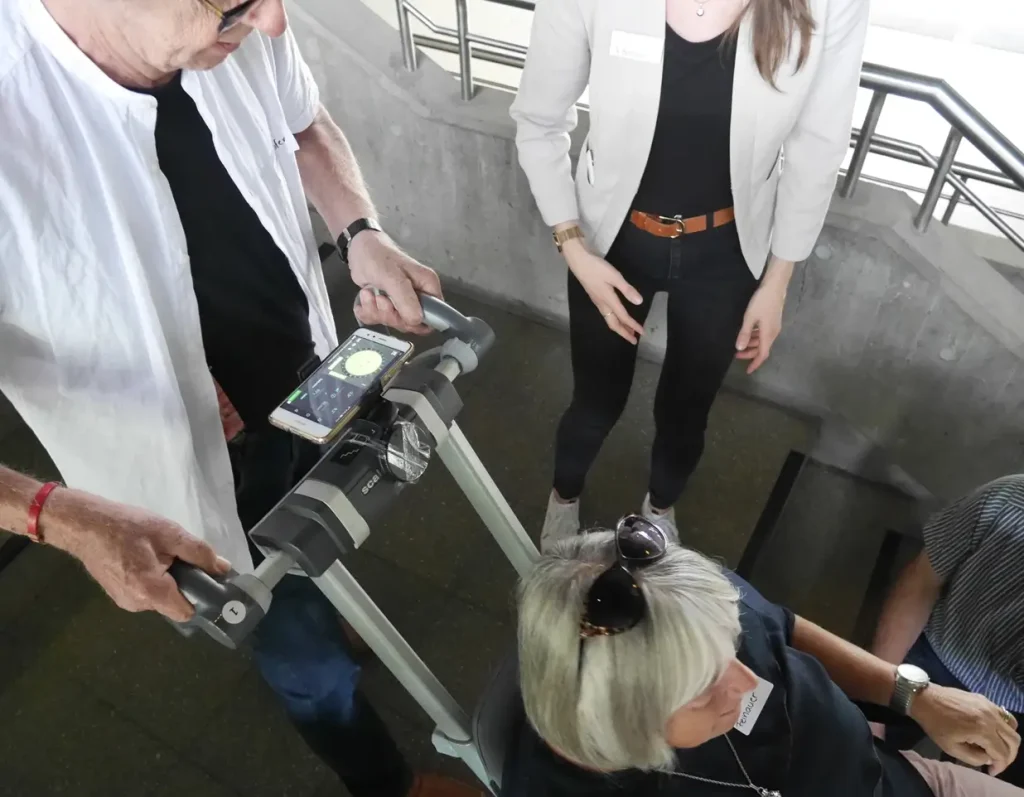

We integrate qualified medical professionals into your study in a structured and flexible way, from planning to completion.
We can lead the study execution professionally or implement it in partnership with your team.
We take care of technology, recruiting, organization and hosting so that you can focus on the relevant insights of your study.
We recruit & manage the right medical professionals for your study.
Efficient | Transparent | GDPR-compliant | Standards-compliant
Let us find the right users for your study together.
4.6/5
Stars from customer reviews | based on 100+ recruiting projects
What matters when selecting healthcare professionals and what it looks like in projects.
 HCP Recruiting for Usability Tests: Why the Wrong Participants Become a ProblemWhy HCP recruiting for usability tests becomes the decisive bottleneck and how medical device developers can secure lasting access to healthcare…Read more →
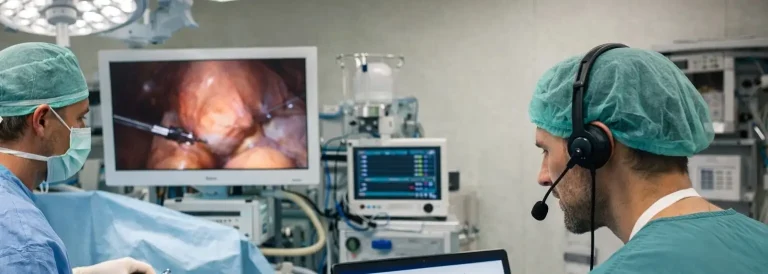 How do you conduct formative usability evaluations in accordance with IEC 62366-1?How to plan, run and document formative usability evaluations under IEC 62366-1: methods, design and safety focus, and the link to risk managemen…Read more →
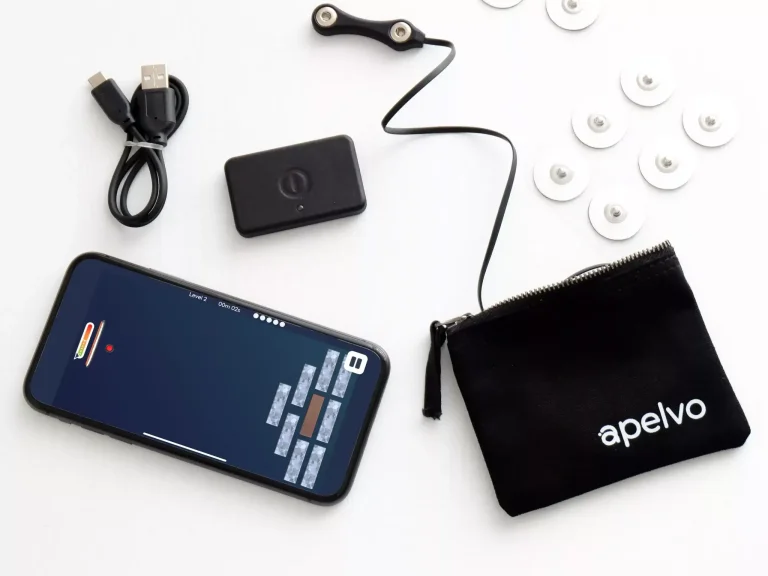 Focus Group Research in a Sensitive Healthcare Context: Pelvic Floor TrainingUser research & usability engineering for the app-based pelvic floor training of Apelvo: conducting a focus group discussion.Read more →
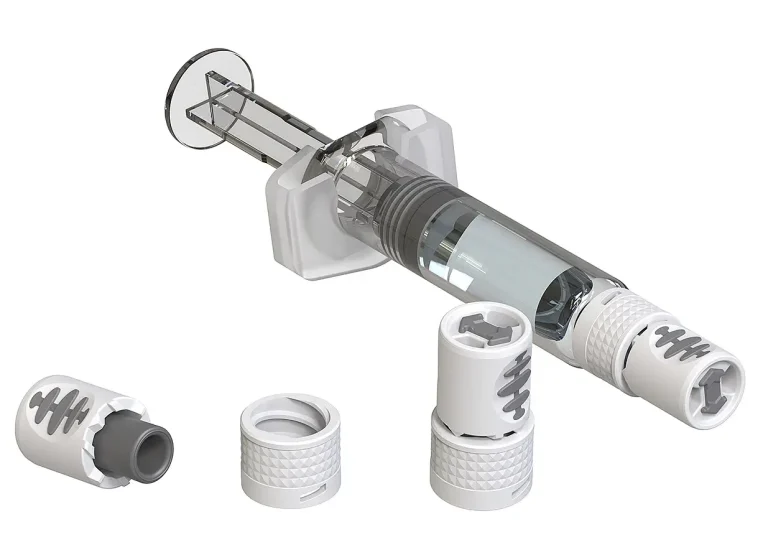 V‑OVS® next: Formative Usability EvaluationFormative usability evaluation & URRA for the V-OVS next. Identification of critical use errors and safe design optimization of a medical device.Read more →
 Are you a physician, nurse or medical technology‑specialist yourself?
Become part of our healthcare test panel and take part in user studies for medical technology.
Taking part as a private individual, not professionally? To the test panel for private individuals →
In this FAQ we answer the most important questions about our recruiting services, the process and the particularities that matter for successful planning. This way you quickly find the information that is relevant for your decision.
Our participant recruitment in medical technology can cover, among others: physicians (various specialties), nurses (ward, intensive care, OR, anesthesia), radiologic technologists, midwives / obstetrics, emergency medical services / emergency personnel, therapists (depending on the product), optionally: technical clinical users (e.g. biomedical / clinical engineering), where relevant
For formative usability tests, summative usability evaluations, interviews, focus groups, contextual analyses as well as remote and on-site tests in the lab, in hospitals or practices.
Together we define a screening profile (inclusion/exclusion criteria) and verify it through standardized screening questions, proof of qualification / experience queries and plausibility checks.
Recruiting is a continuous building block in the usability engineering process (MDR / IEC 62366-1), because it ensures that the right user groups (e.g. physicians, nurses, radiologic technologists) are involved at the right times in formative and summative usability tests. This way use errors are detected early, use-related risks are specifically examined and traceability for the documentation is strengthened.
Recruiting is demanding because suitable participants must not only match the medical role but also the specific context of use of the product (e.g. hospital vs. practice, OR vs. ward, level of experience, task profile). At the same time, healthcare professionals have little time, are often hard to reach and in many areas only available in small, specialized target groups. In addition there are requirements for robust screening criteria, traceable inclusion and exclusion criteria and clean documentation so that the results remain regulatorily usable later.
We derive recruiting directly from the defined user groups and use scenarios in the usability engineering process. For this we create a structured recruiting profile with clear inclusion and exclusion criteria, suitable screening questions and a documented selection decision. This makes it traceable why the recruited participants represent the target users. In addition, we make sure that consent, data protection (GDPR) and the recruiting documentation are set up in such a way that they can be transferred into the usability documentation (e.g. formative or summative evaluation evidence).
By recruiting healthcare professionals we mean the targeted acquisition of clinical users such as physicians, nurses, radiologic technologists, midwives or OR staff as participants in usability studies / usability tests of medical devices or medical software.
Yes. We take over the complete recruiting for usability studies / usability tests: target group definition, screener, outreach, scheduling, confirmation of participation, no-show management and documentation (e.g. proof of the participants’ suitability).
Medical professional recruiting describes the structured recruitment of medical professionals (healthcare professionals, HCPs) for study purposes. In medical technology this typically means: recruiting clinical target groups that match the intended use, use environment and user profiles, for formative or summative usability investigations.
Recruiting healthcare professionals in usability studies usually includes: selecting the suitable roles (e.g. residents, specialists, nurses, OR staff), screening by experience (device type, workflow, frequency, setting), checking relevant criteria (language, availability, exclusion criteria), clean scheduling and participation handling, compliance with data protection and study documentation requirements
Recruiting is a central part of UX research in medical technology, because valid insights can only be gained with realistic target groups. The targeted selection of suitable participants ensures that contexts of use, workflows and requirements are represented realistically. You can learn more about the link between UX research and recruiting here.
In human factors engineering and ergonomics, selecting the right user groups is decisive for realistically evaluating risks, operating errors and barriers to use. Through targeted recruiting, the relevant user groups are included in the analysis so that ergonomic requirements and safety-critical aspects can be examined validly. You can find more information in the area human factors & ergonomics.