
Focus Group Research in a Sensitive Healthcare Context: Pelvic Floor Training

Pelvic floor training anytime, anywhere with Apelvo
Apelvo is an app-based training system from Fysor for pelvic floor training with playful elements. The goal of the user research project was to identify key user needs, acceptance factors and potential barriers to use at an early stage, in order to enable a well-founded further development of the solution.
Because the system is not yet on the market as a medical device, the focus was deliberately on early UX research activities. These aimed to understand essential requirements for use, comprehensibility and acceptance even before product optimization and to carry them into the further development process.
The structured preparation and execution of these measures formed a key foundation for the usability engineering process, in particular with regard to formative evaluations and the later creation of regulatory usability evidence.
Gamified pelvic floor training with Apelvo
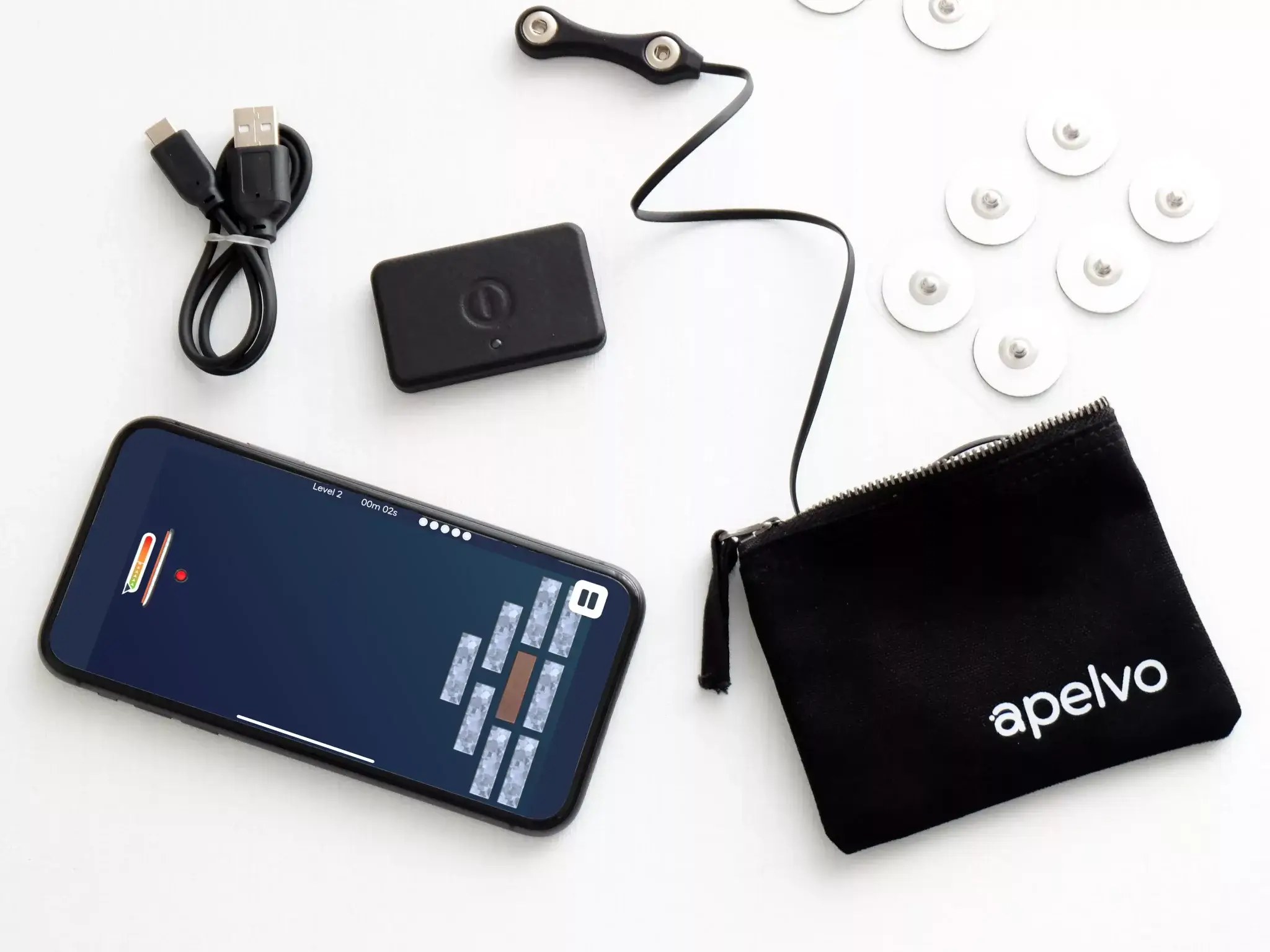
Apelvo is an app-based training system for pelvic floor training that combines sensor-based feedback with playful elements. The goal was to understand early on which requirements, expectations and barriers female users have in a sensitive context of use.
Because the solution is still in an early development phase, the focus was deliberately on qualitative user research activities. In particular, use scenarios, comprehensibility and acceptance were to be analyzed systematically before further product development.
To answer these questions, USE-Ing. conducted a focus group discussion with representative participants. The moderated discussion made it possible to bring out both individual experiences and group dynamics and thereby gain a deeper understanding of user needs.
The results clearly show that, besides functional aspects, trust, discretion and understandable instructions in particular are decisive for the acceptance of the solution. At the same time, key barriers were identified that must be taken into account in further product design.
The insights gained form a sound basis for the user-centered further development of the system and for further steps in the usability engineering process and regulatory requirements.

Gamified pelvic floor training with Apelvo
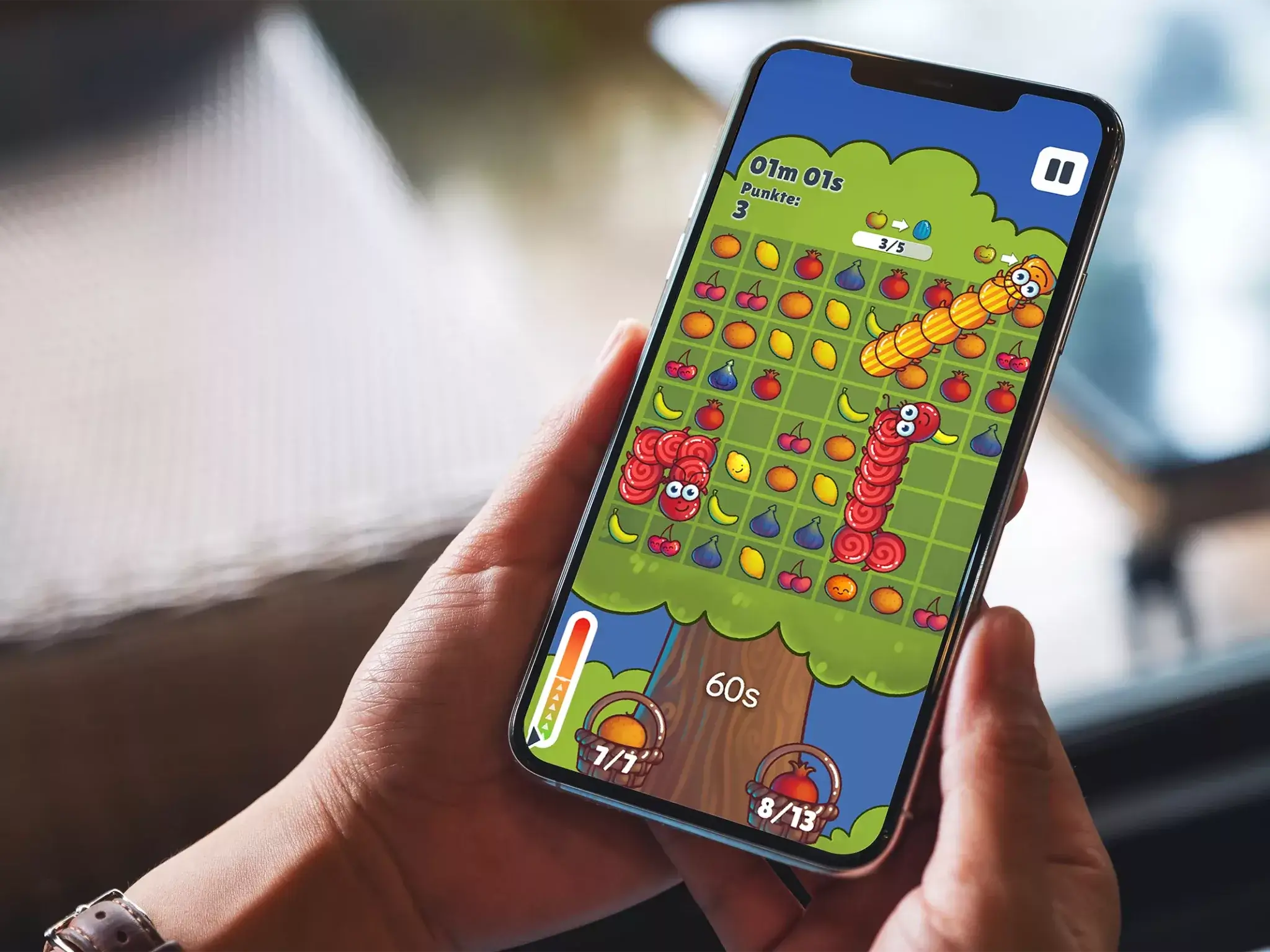
Apelvo is an app-based training system for pelvic floor training that combines sensor-based feedback with playful elements. The goal of the project was to understand early on how female users interact with such a solution, what expectations they have and which barriers stand in the way of its use.
The project approach followed a structured usability engineering process in accordance with IEC 62366-1, with a clear focus on early user research activities. Because Apelvo is still before market approval as a medical device, key questions on comprehensibility, acceptance and context of use were investigated at an early stage.
To explore these aspects, USE-Ing. conducted a focus group discussion with representative participants. The moderated discussion made it possible to bring out both individual perspectives and group dynamic effects and thus to develop a well-founded understanding of real use situations.
The results show that, especially in sensitive contexts of use, factors such as trust, discretion and understandable instructions are decisive for acceptance. At the same time, key barriers to use were identified that feed directly into further product development.
The insights gained provide a robust basis for formative evaluations, the structured derivation of requirements and the further usability engineering process in a regulatory context.

UX research activity: focus group discussion
USE-Ing. supported Fysor in the user-centered further development of Apelvo, an app-based training system for pelvic floor training using a gamification approach.
To identify user needs, expectations and barriers to use at an early stage, a qualitative focus group discussion with five participants was conducted. The participants brought different perspectives on pelvic floor training, including in the context of incontinence and prevention.
Before the discussion, the participants tested the system independently on site, including sensor application, app operation and game-based training modules. This generated authentic first-hand experience of use.
The subsequent moderated discussion enabled an in-depth analysis of experiences, challenges and potential for improvement. Both individual perspectives and group dynamic effects were captured deliberately.
Key findings
- Barriers to use arise in particular from uncertainty in application and a lack of confidence in performing the exercise correctly
- Understandable instructions and immediately perceptible feedback are decisive for acceptance and motivation
- Gamification elements support use but must be clearly understandable and meaningfully embedded
- Sensitive contexts of use require a high degree of discretion and user trust
The results delivered not only robust qualitative insights but also structured foundations for the formative usability assessment.
On this basis, concrete requirements could be derived and prioritized that feed both into product optimization and into the preparation of regulatory usability documentation.
The focus group analysis thus creates a sound basis for decisions on the next development steps and for the further shaping of the usability engineering process.

Interested in well-founded user insights?
Would you like to gain robust user insights early on, in order to steer your product development in a targeted way and prepare regulatory requirements efficiently?
We support you in capturing user needs systematically, identifying risks early and deriving concrete requirements for UX, product design and usability engineering.
👉 Talk to us. We will show you how user research can be integrated into your development process in a targeted way.
Would you like to gain user insights early on that both improve product quality and enable structured preparation of regulatory UX research and usability engineering requirements? Then please get in touch.
Project background
This project was supported and made possible by BioRegio STERN Management GmbH and the European research project RELIANCE. BioRegio STERN Management GmbH promotes innovation and start-ups in the life sciences and medical technology sector as a regional business developer and supports players with access to funding, networking and visibility in the industry. BioRegio STERN Management GmbH: official website
The European project RELIANCE builds digital services for research lifecycle management and is funded under European research programs. RELIANCE: EU project portal (official)
The funding contributed significantly to carrying out early user-centered studies, preparing key formative evaluations and supporting important steps in the usability engineering process.