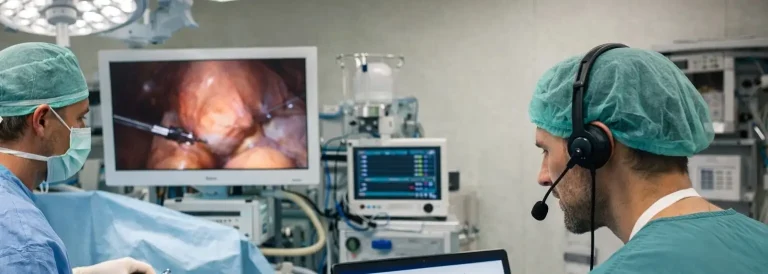
Sound insights for safe and intuitive operating systems
The human-centered development of modern medical devices requires a realistic understanding of how healthcare professionals and users actually use products in everyday clinical practice or at home. In addition to functional requirements, use is shaped above all by time pressure, parallel activities, changing environmental conditions and stressful situations.
In the human-centered design process (HCD), this creates robust insights that help to specifically safeguard development and design decisions. At the same time, use-related risks can be identified early and addressed systematically in the further course of development.
UX research helps manufacturers make these contexts of use visible early through interviews or observations. Through practice-oriented studies in the context of the user groups, we identify relevant use situations, typical operating hurdles and clinically critical decision situations.
UX research makes real use situations in everyday clinical or home settings visible early. This makes it possible to specifically identify and take into account use difficulties, stress situations and clinically relevant decision areas.
Real use in everyday clinical or home settings
Typical questions in UX research projects include:
Which workflows, actions and decisions take place in parallel in everyday clinical practice, especially under time and work pressure?
Where do risks, uncertainties or misunderstandings arise in use?
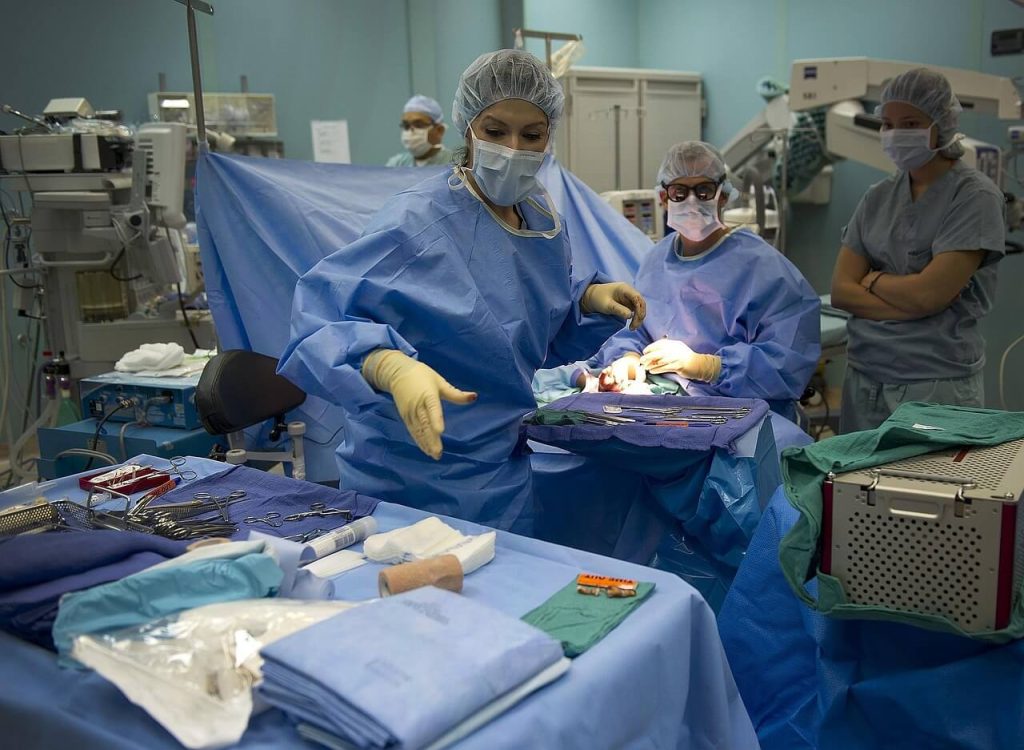
Context-of-use analyses examine medical devices in their real environment of use by means of observations, e.g. hospital, OR, emergency department, laboratory or home use.
Exploratory and formative studies examine early concepts, prototypes or ideas for use.
They serve above all for the early identification of use hurdles, ambiguities and risks. In this way, they aim at product improvements.
They help to verify assumptions and identify relevant requirements early.
Focus groups enable a structured exchange with healthcare professionals or lay users on use scenarios, concepts or early solution approaches within a heterogeneous group.
Our UX research projects are consistently based on real clinical practice. Workflows, time pressure, parallel tasks and organizational conditions are systematically included in the analysis.
Our UX research work takes place against the background of regulatory requirements such as IEC 62366‑1 (MDR) and relevant human factors guidance (e.g. FDA).
The results are prepared in a traceable way and are compatible with further development and approval processes.
Agree on the UX research approach together
We are happy to discuss how UX research can be integrated meaningfully into your project.
UX research provides clarity for early development decisions.
Structured | Transparent | GDPR-compliant | Compatible with regulatory requirements
Clinical expertise is decisive for realistically classifying use situations, workflows and decision processes in medical technology. Only with a sound understanding of clinical practice can contexts of use, risks and safety-relevant interactions be assessed correctly.
UX research with a clinical background shows how medical devices are used under real conditions, especially where time pressure, distraction or parallel tasks can lead to critical use situations. Learn more about our recruiting options.
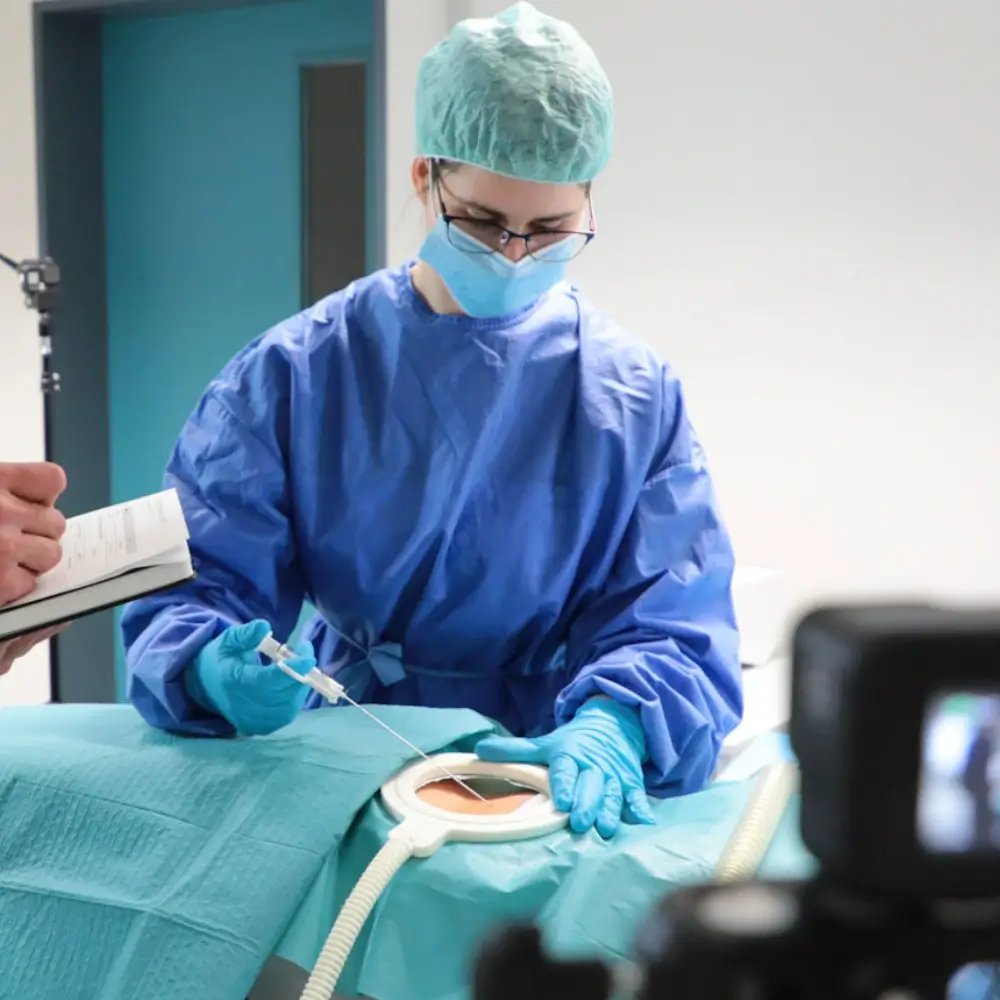
“We work with high precision and with several devices at the same time. Small ambiguities often go unnoticed in everyday work, until you look at them deliberately in a study. That is incredibly valuable.”
Dr. med. Thomas K.
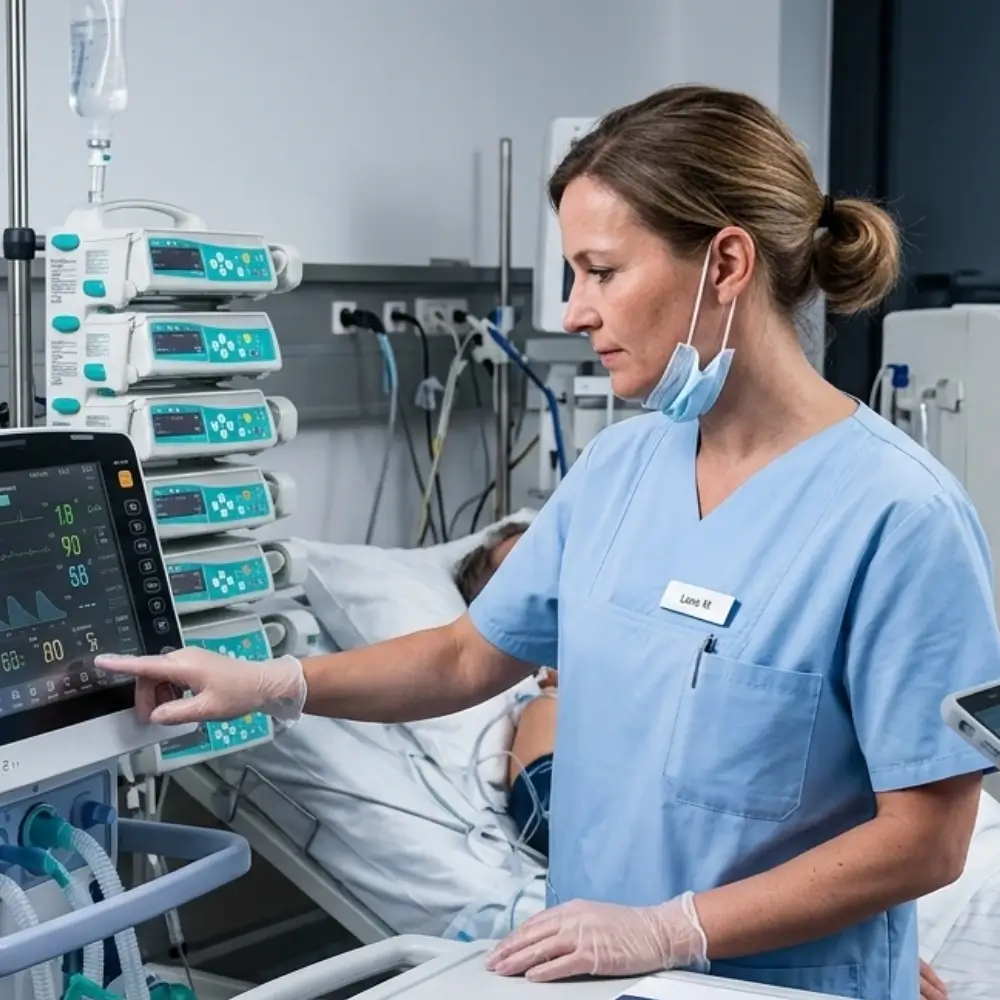
“When I am in the middle of treatment, every display must be unambiguous and every action must be safe to perform. UX research makes visible which details are really critical in everyday work.”
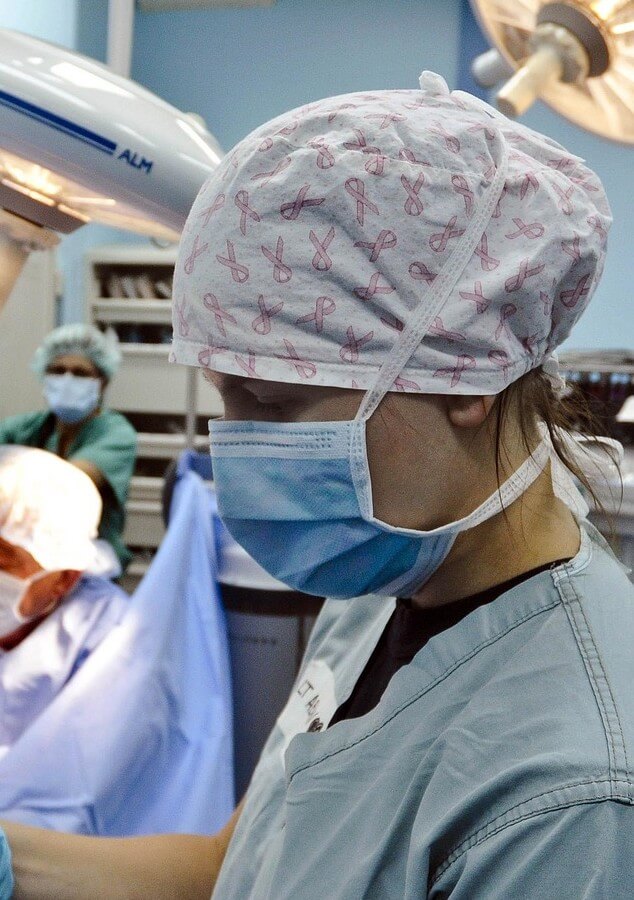
“In cardiac surgery, time criticality is extreme. If operation does not feel right, it costs seconds, and those can matter.”
Sabine R.
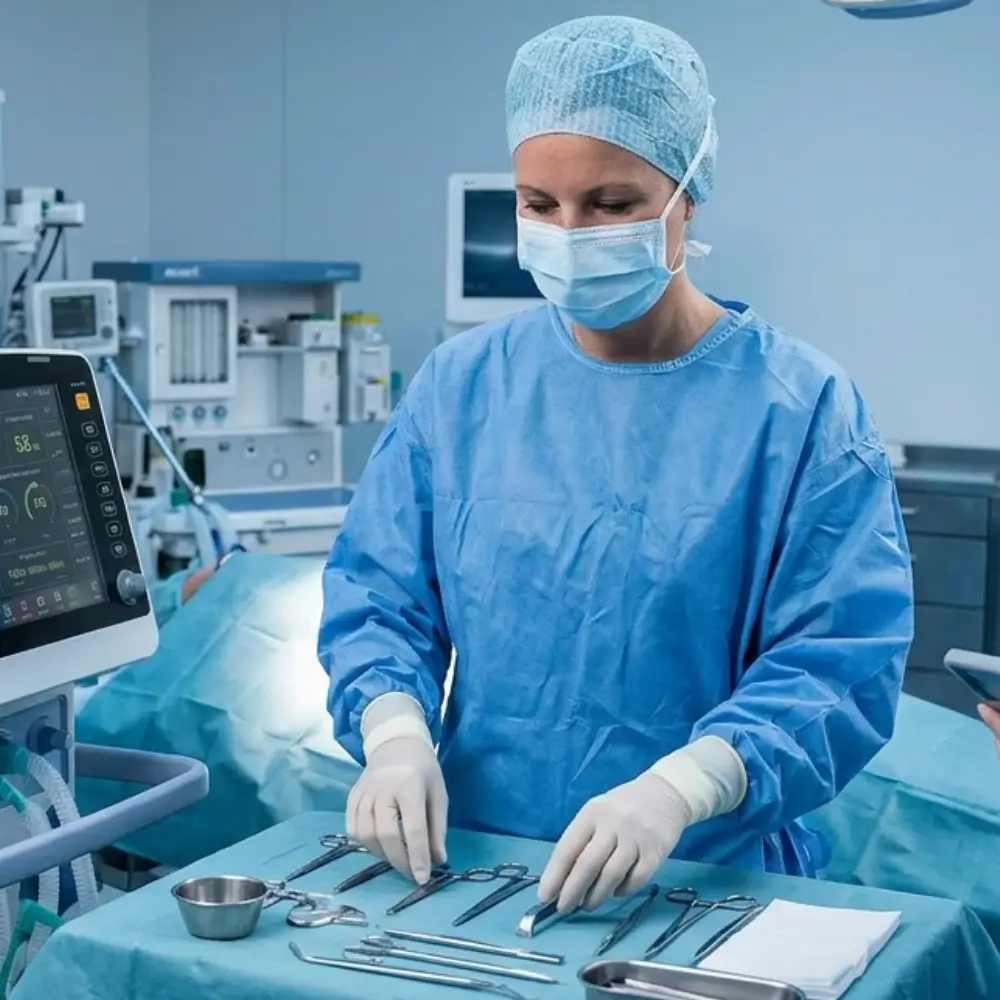
“At the table I have no free hand and no time to think. Research clearly shows which steps must be intuitive and where workflows still have unnecessary hurdles today.”
Michael S.
Specialist OR nurse / scrub nurse

Daniel W.
4.6/5
Stars from customer reviews | based on 50+ UX research projects
Methodological foundations from our knowledge platform and projects in which we applied them.
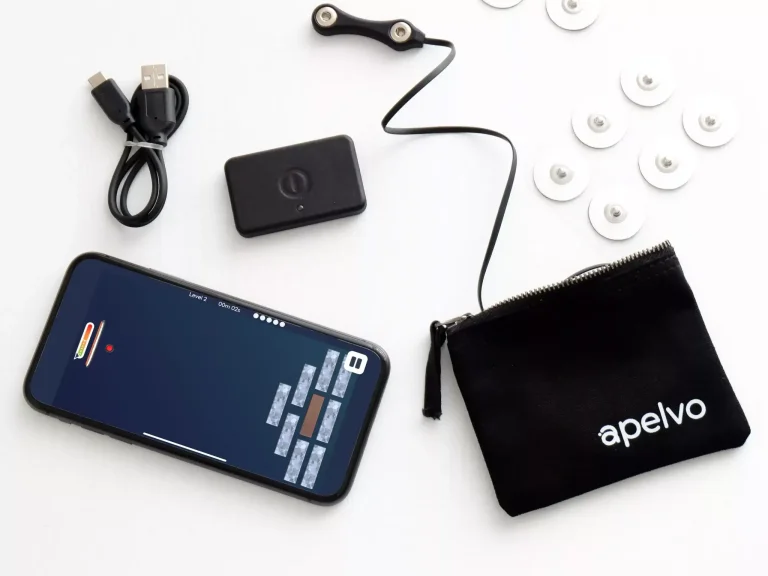 Focus Group Research in a Sensitive Healthcare Context: Pelvic Floor TrainingUser research & usability engineering for the app-based pelvic floor training of Apelvo: conducting a focus group discussion.Read more →
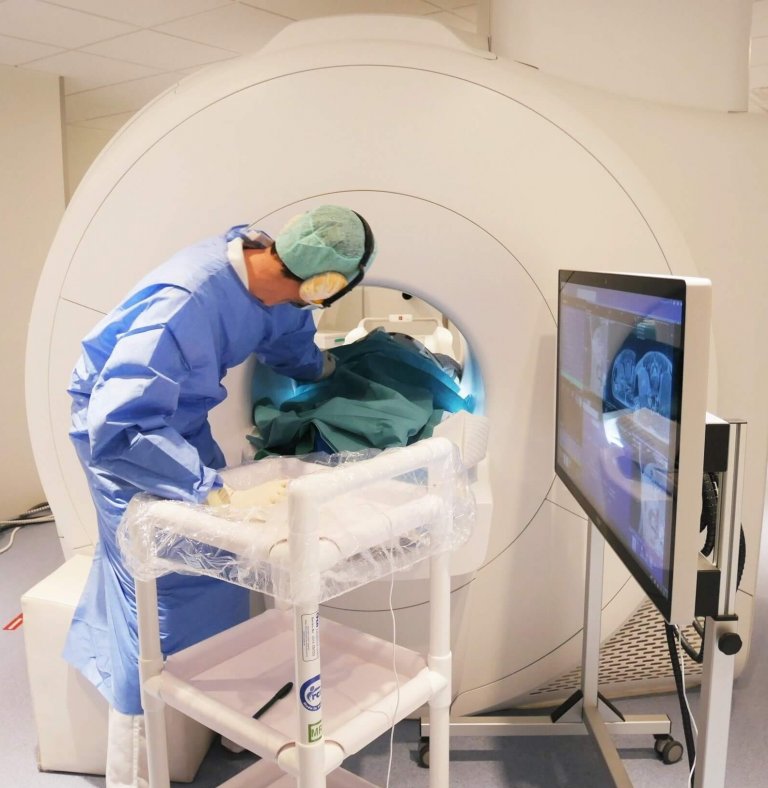 Workflow Evaluation and Interface Design IMRI Solutions – Research ProjectUSE-Ing. revolutionizes MRI diagnostics with workflow evaluation, enhancing usability and patient care.Read more →
In this FAQ we answer the most important questions about our UX research services, the process and the particularities that matter for successful planning. This way you quickly find the information that is relevant for your decision.
UX research refers to the systematic investigation of real use situations of medical devices in everyday clinical practice. The aim is to understand early how healthcare professionals and users actually use devices and systems, which challenges arise and where decisions, workflows or interactions can become critical. Through targeted recruiting of real users, their involvement in product development is made possible. UX research thus provides user-based insights as a basis for development and design decisions.
UX research provides early, exploratory and formative insights into the use of medical devices. The focus is on understanding, observing and classifying real use situations. Usability engineering, in contrast, is a structured, regulatorily defined process aiming at the formal evaluation and usability validation according to IEC 62366‑1. UX research supports and complements this process but does not replace validation.
Typical questions include:
UX research makes these aspects visible and supports sound development decisions.
Depending on the question and the development phase, the following formats are used, among others:
The selection is always project- and context-specific.
UX research for medical devices at USE‑Ing. is scalable for national and international development projects. Studies can be carried out on site, remotely or in a hybrid format and take into account different contexts of use, workflows and organizational conditions in different countries and healthcare systems.
Depending on the product and application, different user groups are taken into account, e.g.:
The selection is based on real use scenarios and the intended user group that are relevant for UX research for medical devices.
UX research is a central component of human factors engineering (HFE) in the development of medical devices. While UX research examines user behavior, requirements and contexts of use, human factors engineering ensures that these insights flow into product development in compliance with standards (e.g. according to IEC 62366 or FDA guidelines). Especially for approval processes, the close link between UX research and human factors plays a decisive role, since formatively and summatively collected data go directly into the risk analysis and the usability engineering file. More on this under human factors & ergonomics.
Yes. In addition to the operational execution of UX research, we also offer practice-oriented training courses and workshops. They are aimed in particular at teams from MedTech and digital health who want to apply UX research methods independently and in compliance with standards in the development process.
The training courses include, among others:
– Planning and conducting usability tests
– Human factors & regulatory requirements (MDR, IEC 62366, FDA)
– Integration of UX research into development processes
You can find more information on content and formats in our UX Engineering Academy.