
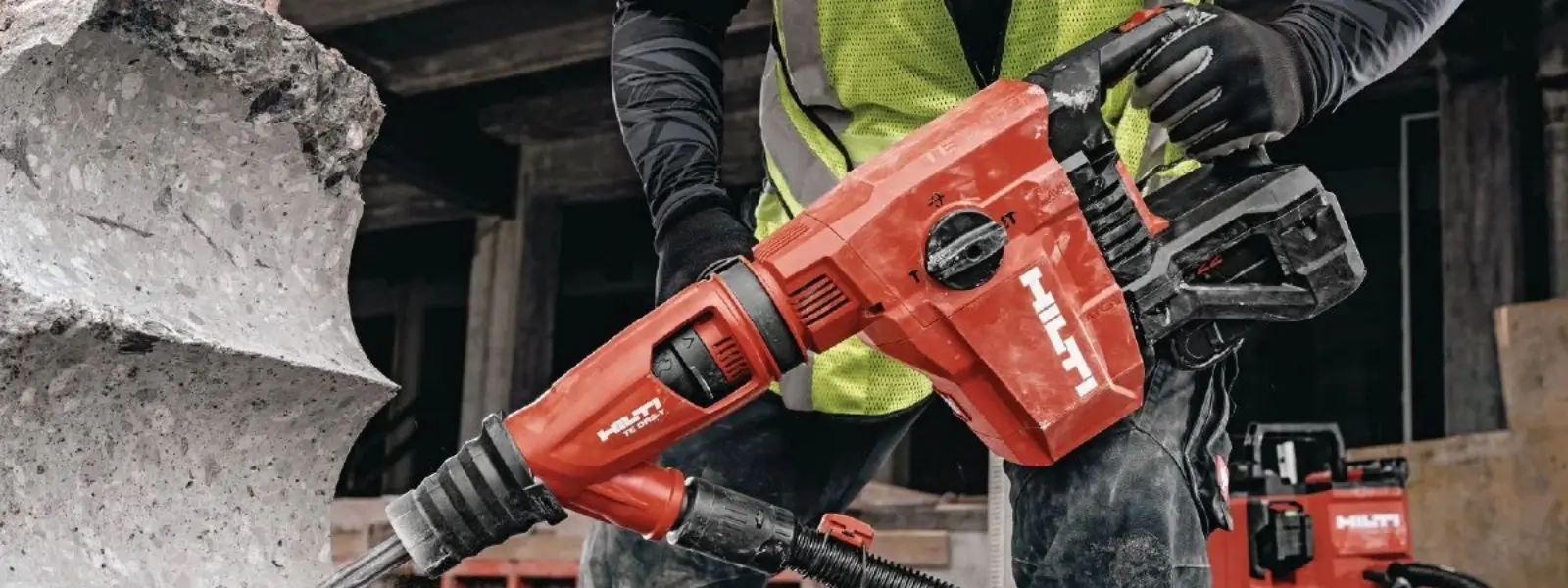


Ergonomics for powerful cordless rotary hammers
The TE 70-22 cordless rotary hammer from Hilti was developed for demanding drilling and chiseling work in professional environments. As a powerful power tool, the system must remain comfortable and safe to operate even under high load, changing working postures and demanding construction site conditions. Together with Hilti, USE‑Ing. supported the user-centered review of key interaction elements of the TE 70‑22 cordless rotary hammer.
The ergonomics of a cordless rotary hammer significantly influence operating comfort, tool control and user acceptance. For professional users in particular, handle design, reachability of controls and intuitive use of key functions contribute decisively to the user experience.
As part of the project, essential interaction elements of the TE 70-22 were therefore reviewed from the perspectives of human factors engineering, ergonomics and operating safety. The goal was a user-centered interaction that supports professional users in typical construction site situations.
Intuitive operation under demanding conditions of use
Professional power tools must work reliably even under difficult conditions. These include working with gloves, changing grip positions, high forces and different application situations on the construction site.
For the TE 70-22, the ergonomic review therefore focused on key controls such as the main handle, trigger, mode selector, chisel activation, tool holder and side handle. Comfortable reachability, intuitive operability and safe interaction support orientation on the product and promote tool control during use.
The ergonomic design of relevant interaction elements helps to increase the perceived quality of the power tool and at the same time supports the operating comfort of professional users.
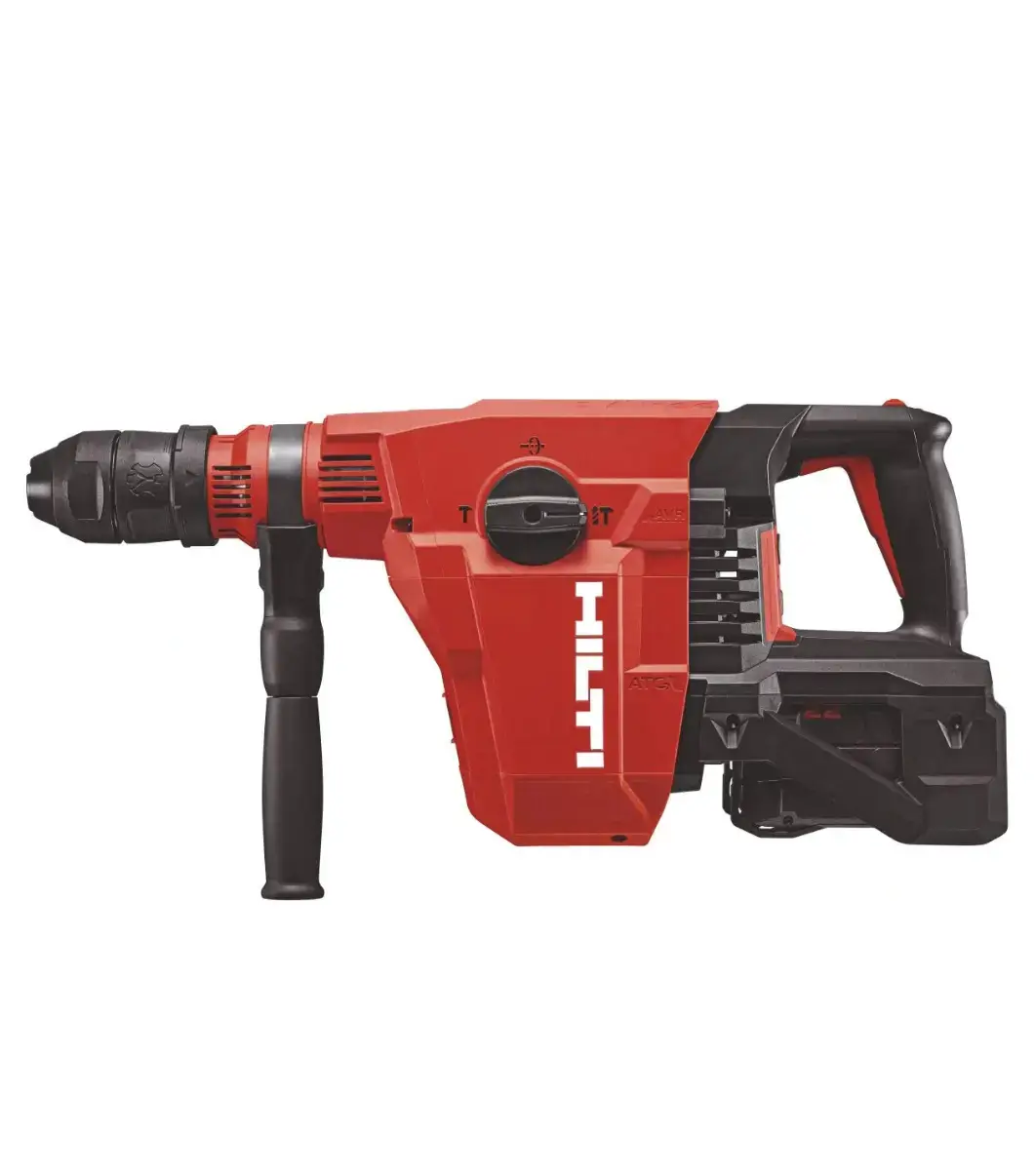
Human factors engineering for professional power tools
Developing modern power tools today requires far more than technical performance. Operating comfort, ergonomics and user acceptance are decisive quality features of professional products.
The TE 70-22 shows by example what contribution human factors engineering and usability engineering can make to the design of professional power tools. Consistent alignment with the needs of users supports safe operation, promotes tool control and makes interaction with the product easier.
The result is a powerful cordless rotary hammer that combines functionality, ergonomics and user experience and meets the requirements of professional users.
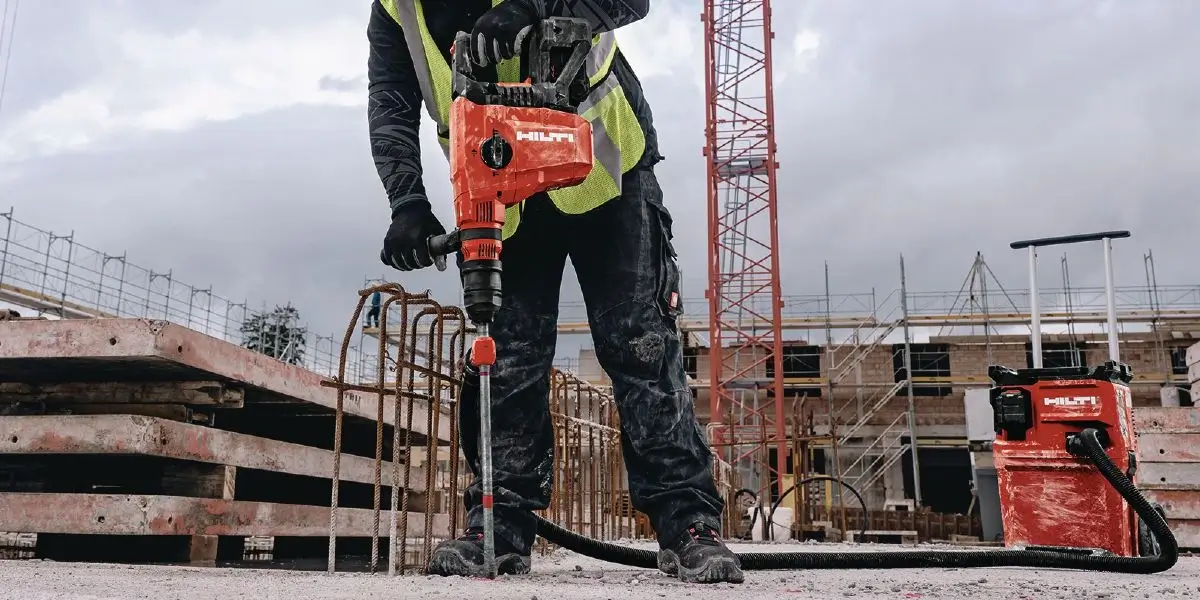
Key results and impact of the human factors engineering process
- High operating comfort in daily use
- Ergonomic tool control
- Safe and intuitive operation
- Comfortable reachability of key functions
- High user acceptance
- Support for professional workflows
- User-centered product experience
The ergonomic design of key interaction elements makes an important contribution to the operating quality of professional power tools. The TE 70-22 cordless rotary hammer combines high performance with ergonomic operating comfort and shows by example how human factors engineering can contribute to the development of modern tools.
The project illustrates how USE‑Ing. applies human factors engineering to professional power tools in order to strengthen operating comfort, tool control and user acceptance.
Would you like to secure the ergonomics, operating comfort and user acceptance of your products early on?