Unclear requirements for the usability of medical devices and insufficiently developed usability of the medical device often lead to problems in usability engineering for medical technology.
We integrate human factors engineering for medical devices and usability engineering into your development process so that risks are detected early, the usability of medical devices is systematically improved and regulatory requirements are met from the start.
This creates a structured usability engineering process according to IEC 62366 that makes your approval plannable and significantly reduces risks in the project.
Usability engineering in medical technology is a key success factor for the safe and plannable approval of medical devices.
What matters is the combination of regulatory expertise in the context of the MDR (Medical Device Regulation) & FDA (human factors guidance), user understanding and technical implementation.

This is exactly where our strength lies.
We combine UX research and methods with real medical use scenarios, for results that hold up in everyday clinical practice
We know where typical risks lie and how to avoid them early.
From the use specification to summative validation and documentation, we guide you through the entire usability engineering process.
This creates a usability engineering process that is not only standards-compliant but actively reduces risks and safely supports your approval.
Our labs simulate real clinical environments for formative evaluations and summative evaluations, from patient rooms and intensive care units to hybrid ORs.
We take over the selection and recruitment of suitable professional users: target-group-specific, efficient and aligned with your study.
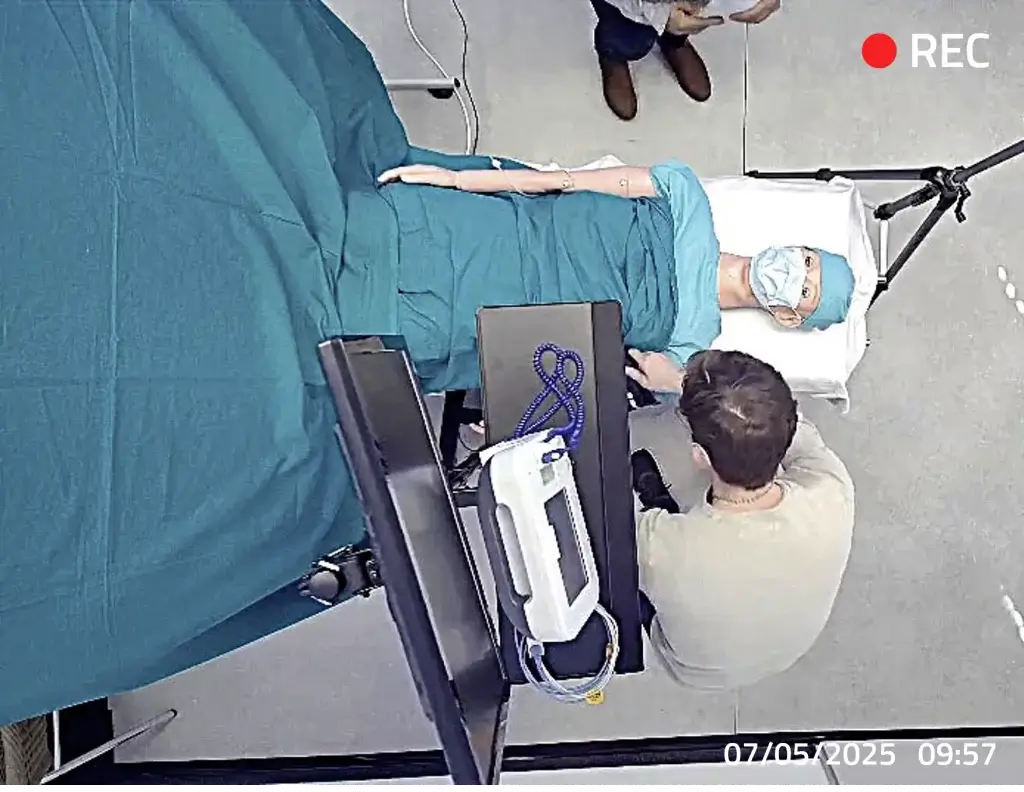
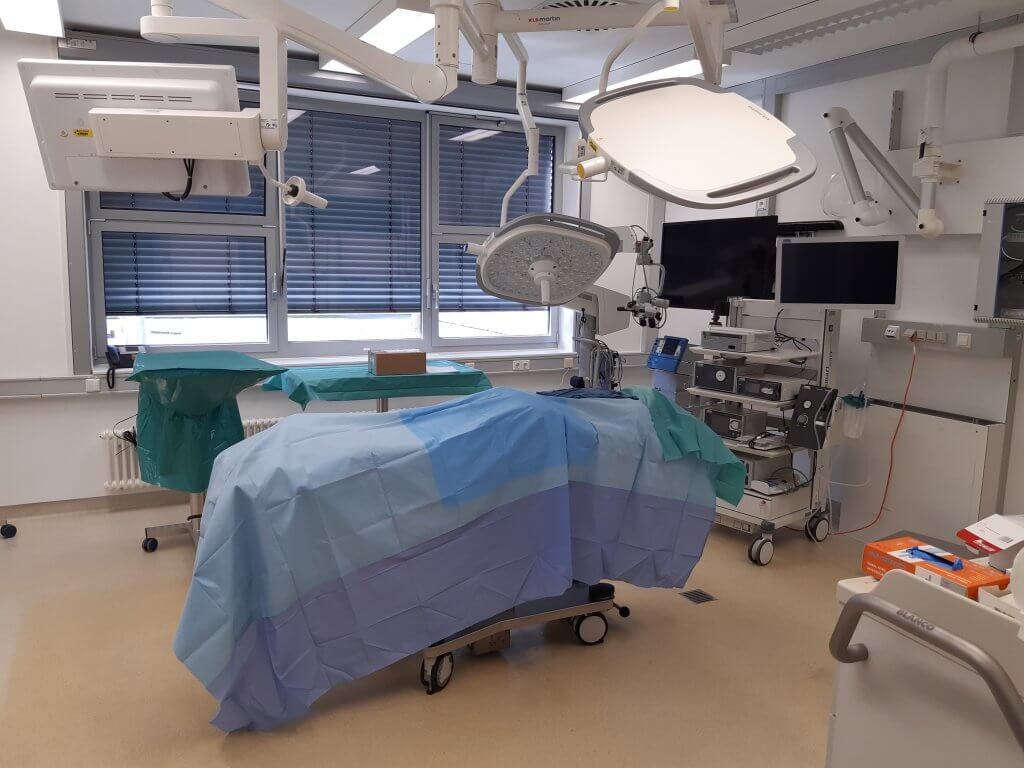
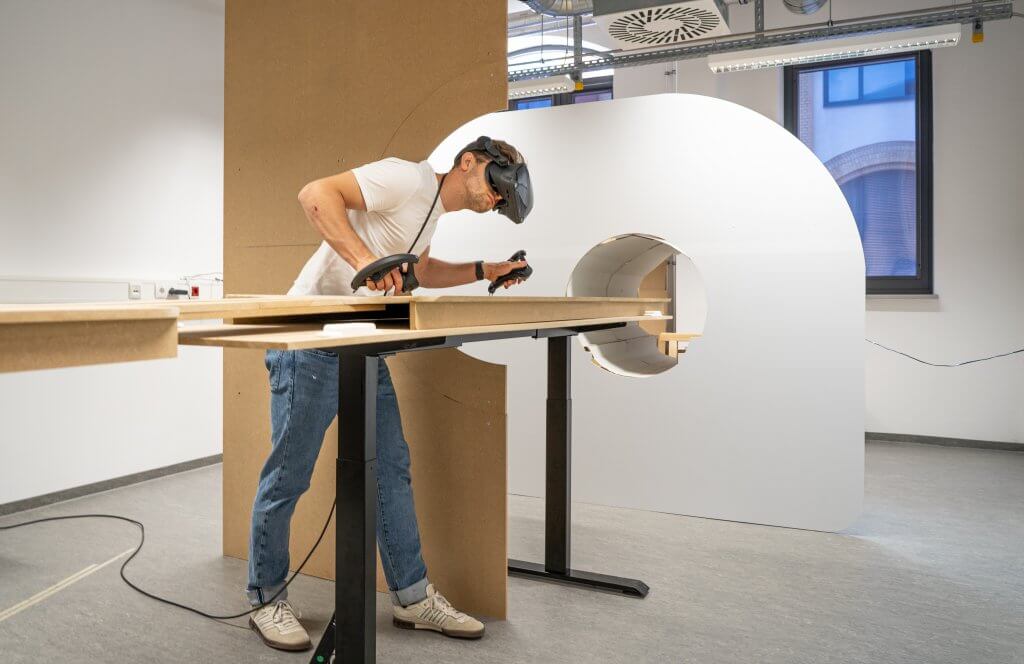
Your benefits from our lab environment:
We structure usability engineering for medical devices according to IEC 62366 along clearly defined steps, from analysis to validation and documentation. This way risks are identified early, usability is systematically improved and regulatory requirements are met reliably.
Use specification: We analyze use, target groups and context of use as the basis for the entire usability engineering process, with a focus on the safe usability of the medical device.
Risk assessment: We identify critical use scenarios, analyze use errors and evaluate use-related risks according to ISO 14971, as a basis for safe product development.
Through formative evaluations for medical devices and iterative usability tests we improve the design step by step, early, user-centered and goal-oriented.
In the summative usability test we test your product with representative users to demonstrate safe use in the real context of use and to meet the requirements of IEC 62366-1.
Outputs / compliance: All results are documented in a standards-compliant way and prepared optimally for audits and approval procedures.
4.6/5
Stars from customer reviews | based on 100+ usability engineering projects
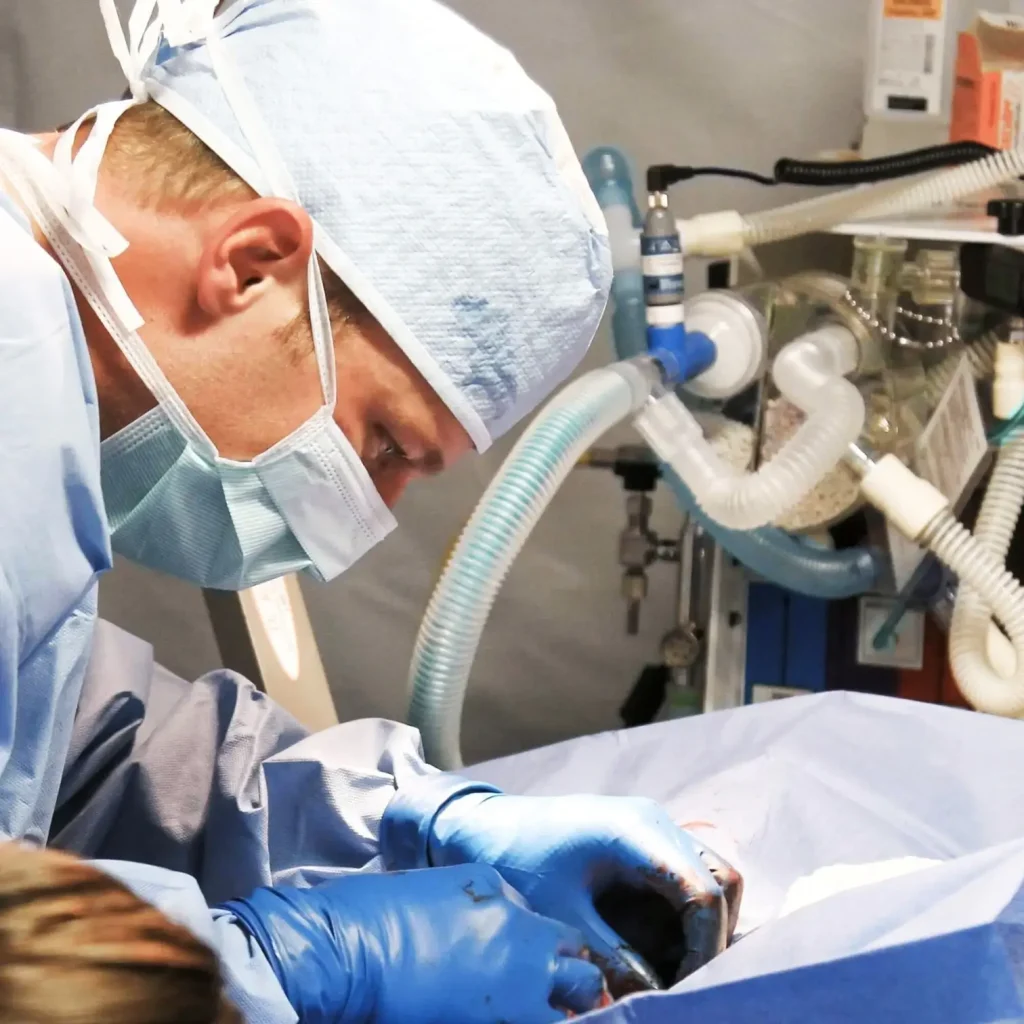
In this FAQ we answer the most important questions about usability engineering in medical technology, regulatory requirements according to IEC 62366-1 and practical implementation in the development process.
Usability engineering for medical technology is a normatively regulated process for identifying and minimizing use-related risks. It is defined in IEC 62366-1 and requires a systematic analysis of the context of use, user interface, possible use errors and their risk assessment. The aim is to demonstrably ensure usability and to guarantee patient safety and regulatory conformity.
Usability engineering should already begin in the early concept and definition phase of a medical device. IEC 62366-1 requires a systematic analysis of the context of use before design decisions are finalized. Early integration makes it possible to identify and reduce use-related risks already in the concept phase.
If usability activities are only carried out shortly before approval, the risk of cost-intensive design changes or additional validation studies increases. From a regulatory perspective, it therefore makes sense to plan usability engineering for medical technology from the start, in parallel with risk management according to ISO 14971.
Yes. The EU MDR (Medical Device Regulation) requires usability and use-related risks to be taken into account. Practical implementation usually takes place via the usability engineering process according to IEC 62366-1 in connection with risk management according to ISO 14971. Without this evidence, the conformity assessment by notified bodies is at risk.
A summative usability validation is required when the final or nearly final design of a medical device has to be verified. The aim is to demonstrate that no unacceptable use-related risks remain. It is a mandatory part of the usability engineering process according to IEC 62366-1 and is carried out before submission to notified bodies.
IEC 62366-1 does not prescribe a fixed number of test participants. Instead, it requires sufficient representativeness of the intended user groups. The number of participants depends on risk class, use scenario and complexity of the product. In practice, many validation studies are guided by regulatory rules of thumb and FDA guidelines. We recruit suitable participants for you.
The usability engineering file (UEF) documents all steps of the usability engineering process. This includes the use specification based on a context-of-use analysis, the identification of use errors and their transfer into hazard-related use scenarios, use risk assessments and the documentation of the formative and summative evaluations. The UEF serves as evidence towards notified bodies and authorities.
The formative evaluation serves the iterative optimization of the design during development, e.g. also through an ergonomic analysis. The summative evaluation, in contrast, validates the final product with regard to safe and effective use. Both are components of the usability engineering process according to IEC 62366-1 but pursue different goals.
Usability engineering is closely linked to risk management according to ISO 14971. Use-related risks must be identified, evaluated and reduced. The results of the context-of-use analysis and usability tests flow directly into the risk assessment and are an integral part of the technical documentation.
In Europe, notified bodies review the implementation of the usability engineering process within the framework of the MDR. In the USA, the FDA evaluates human factors and usability engineering within 510(k) or PMA procedures. Other international authorities also require corresponding evidence.
The costs of a usability validation for medical devices depend on product complexity, risk class and the number of intended user groups. Influencing factors include the scope of the use scenarios, the number of test participants, the study execution (on site or remote) and the required documentation effort according to IEC 62366-1.
For higher-class or particularly complex medical devices, the effort for planning, recruiting and analysis increases accordingly. Early alignment of the study design helps to meet regulatory requirements efficiently and to avoid unnecessary additional costs.
Usability engineering for medical technology is based in particular on IEC 62366 and on ISO 14971 for risk management. In addition, standards such as ISO 13485 as well as international requirements of the FDA and NMPA play an important role for approval.
IEC 62366 describes the usability engineering process and requires the systematic analysis of contexts of use, the identification of use-related risks as well as formative and summative evaluations to safeguard safe use.
Yes, especially for the US market the FDA requires human factors and usability engineering for medical technology. Corresponding guidance documents define requirements for studies, validations and documentation.
Notified bodies review in particular the usability engineering file (UEF) with all relevant evidence, from the use specification through risk analyses to summative validation.
Yes. In addition to the operational execution of usability engineering, we also offer practice-oriented training courses and workshops. They are aimed in particular at teams from MedTech and digital health who want to apply usability engineering methods independently and in compliance with standards in the development process.
The training courses include, among others:
– Planning and conducting usability tests
– Human factors & regulatory requirements (MDR, IEC 62366, FDA)
– Integration of UX research into development processes
You can find more information on content and formats in our UX Engineering Academy.